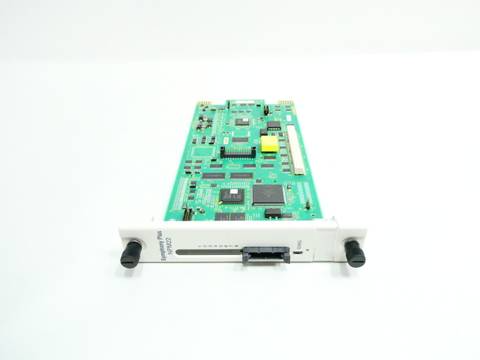
LAMP TRIGGER 101935-217

LAMP TRIGGER 101935-217: A Vital Component in Industrial Automation
Welcome to the AE Automation PLC Parts blog! As experts in industrial control and automation components, we understand the critical role that reliable components play in enhancing operational efficiency. Today, we delve into the LAMP TRIGGER 101935-217, a vital component in electrical engineering that finds its applications across various sectors, including industrial automation and renewable energy.
Electrical Engineering Importance
The LAMP TRIGGER 101935-217 is a significant device in electrical engineering, primarily used for controlling and regulating electrical circuits. Its primary function is to manage lamp loads, making it essential for lighting control in industrial environments. The device ensures that lighting systems operate efficiently, thereby reducing energy consumption and extending the lifespan of lamps. In the realm of renewable energy, the LAMP TRIGGER contributes by optimizing the performance of solar-powered lighting systems, aligning with the push for sustainable practices in industrial automation.
Technical Specifications (IEC60947-2)
The LAMP TRIGGER 101935-217 adheres to the IEC60947-2 standard, which provides guidelines for low-voltage switchgear and control equipment. Understanding these specifications is crucial for engineers and technicians in ensuring compliance and safety in electrical installations. Some key specifications include:
- Rated Operational Voltage: The device is designed to operate effectively within a specified voltage range, ensuring reliability and safety.
- Rated Current: The LAMP TRIGGER can handle varying current levels, making it suitable for different industrial applications.
- Temperature Ratings: The device operates efficiently within a specific temperature range, crucial for maintaining performance in varying environmental conditions.
- Protection Class: The LAMP TRIGGER is designed with adequate protection against dust and moisture, ensuring longevity and reliability in industrial settings.
These specifications not only ensure compliance with international standards but also enhance the safety and efficiency of industrial control systems.
Applications in Industrial Automation and Renewable Energy
The LAMP TRIGGER 101935-217 finds extensive applications in the field of industrial automation. Its ability to control lighting systems effectively makes it a preferred choice for factories, warehouses, and large-scale manufacturing plants. By integrating this component into control systems, businesses can automate lighting based on operational needs, thereby minimizing energy wastage.
In renewable energy, the LAMP TRIGGER plays a pivotal role in solar-powered lighting systems. As industries lean towards sustainable energy solutions, the demand for efficient lighting control grows. The LAMP TRIGGER enables precise operation of these systems, ensuring that energy is used judiciously and effectively, contributing to overall energy savings.
Moreover, the LAMP TRIGGER can be integrated into building management systems (BMS), allowing for centralized control of lighting across facilities. This integration not only enhances operational efficiency but also provides data that can be analyzed for further optimization of energy use.
Conclusion
In conclusion, the LAMP TRIGGER 101935-217 is an essential component in modern industrial automation and renewable energy solutions. Its compliance with IEC60947-2 standards ensures safety and reliability, while its applications in lighting control systems highlight its importance in energy management. At AE Automation PLC Parts, we are committed to providing quality components that meet the demands of today’s industrial environments.
For more information on industrial control systems and automation solutions, feel free to visit our website at AE Automation PLC Parts. Additionally, for more details on electrical standards, visit the International Electrotechnical Commission (IEC).